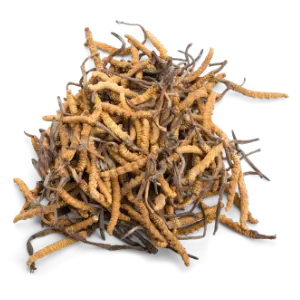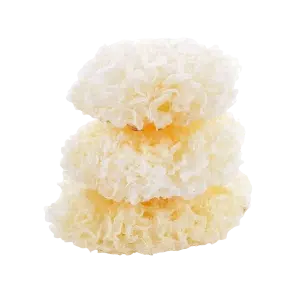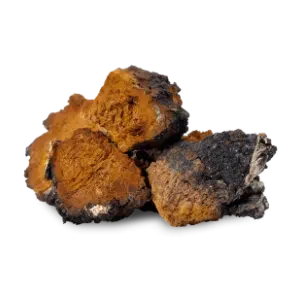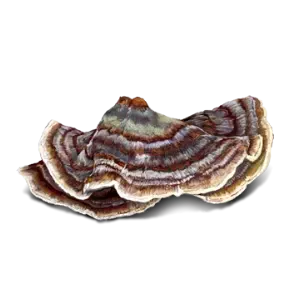


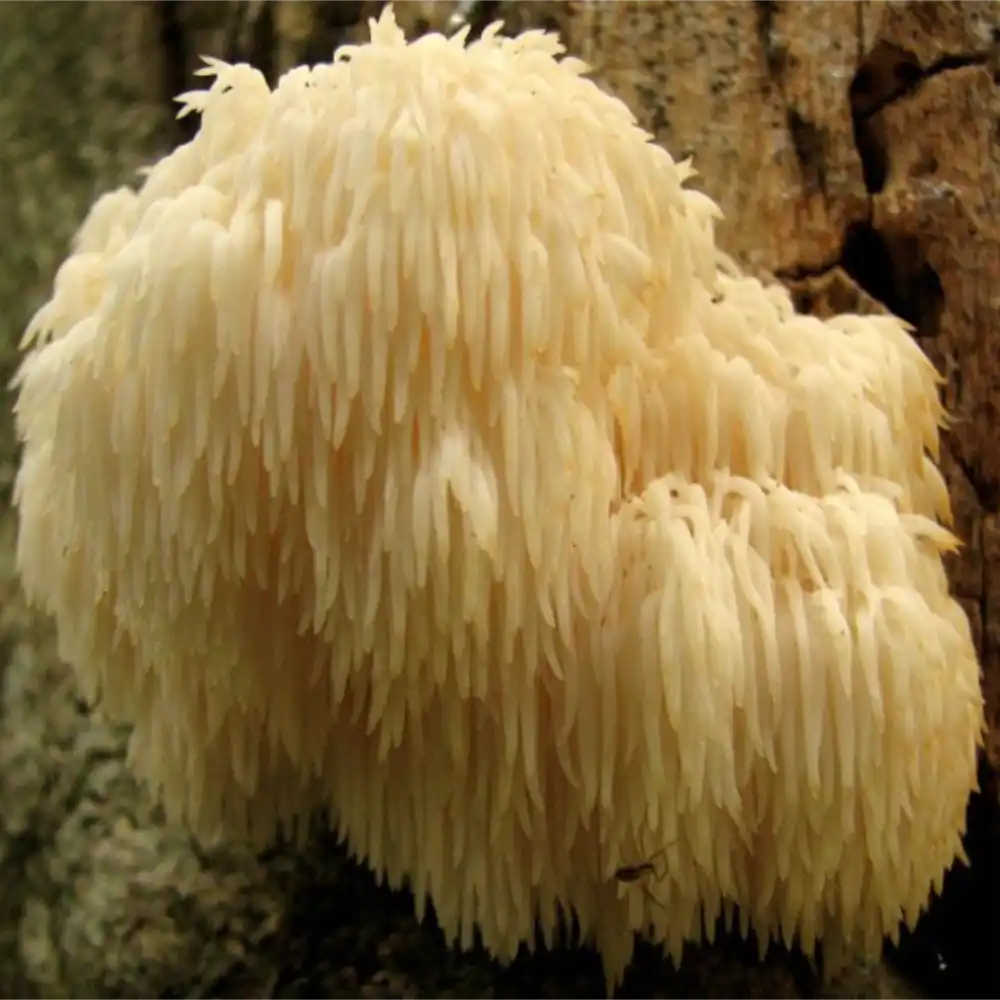
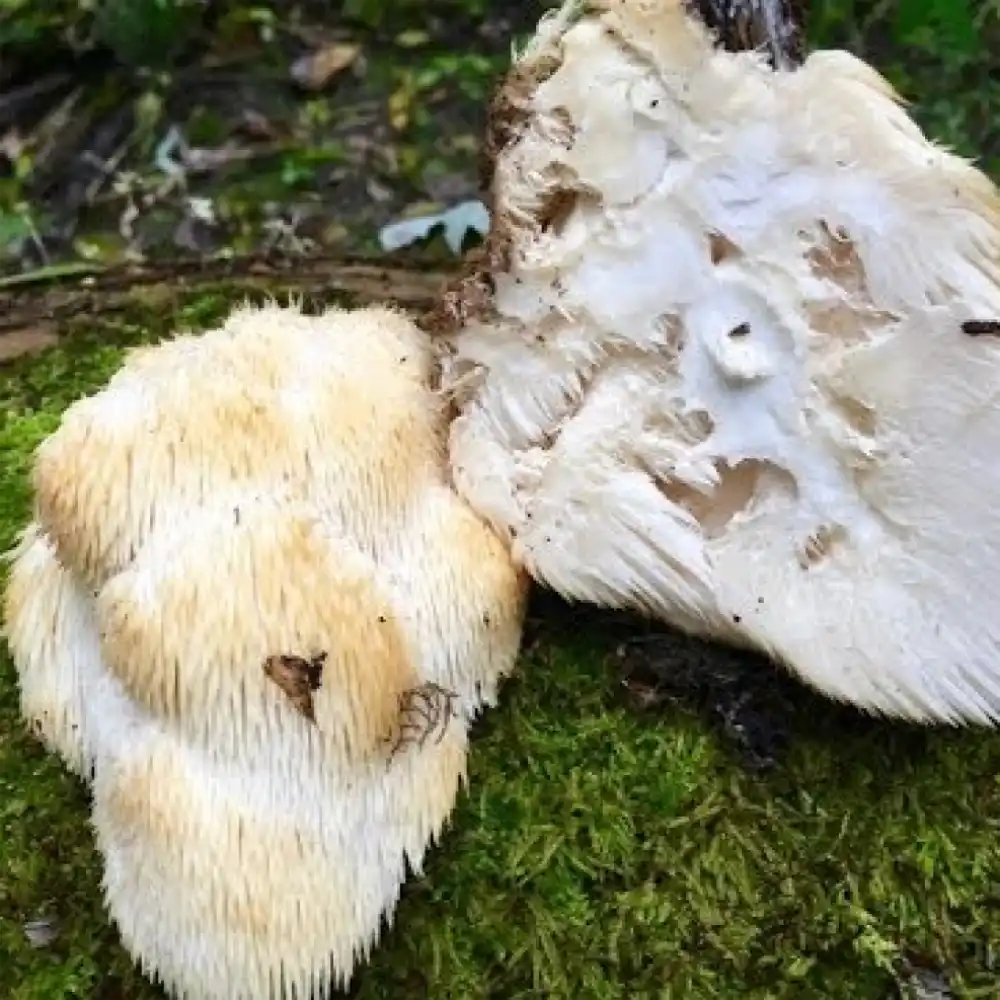
Images of Lion's Mane, AKA Bearded Tooth Mushroom
History of Lions Mane / Pom Pom Mushrooms
China's Ancient Texts
In China, Lion's Mane has been a subject of interest for centuries. Ancient texts like the "Compendium of Materia Medica" mention its use in Traditional Chinese Medicine (TCM). It was often seen as a symbol of longevity and vitality, and it was believed that consuming it could grant you the wisdom of a lion and the memory of an elephant.
Japan's Zen Monks
In Japan, Lion's Mane was not just a medicinal marvel but also a spiritual one. Zen Buddhist monks were known to consume Lion's Mane tea to enhance their focus during meditation. The mushroom was so revered that it was often reserved for royal families and spiritual leaders.
The Curious Mycologists
When Lion's Mane made its way to the Western world, it initially fascinated mycologists due to its unique, waterfall-like appearance. It was a subject of botanical drawings and was often featured in natural history museums as an exotic specimen from the East.
The Modern Boom
Fast forward to the 21st century, and Lion's Mane has become a trendy superfood and supplement in Western health circles. It's not uncommon to find Lion's Mane coffee or supplements in health food stores, a far cry from its initial status as a mere curiosity.
Health Benefits of Lions Mane Mushrooms
The health benefits attributed to Lion's Mane mushroom vary between Eastern and Western traditions, as well as between traditional and modern medicine. Here's a breakdown:
Eastern Traditional Medicine
Cognitive Enhancement: Used to improve memory and cognitive functions.
Digestive Health: Traditionally used to treat gastritis, ulcers, and other digestive issues.
Qi and Vitality: Believed to nourish the life force or 'Qi' in Traditional Chinese Medicine (TCM).
Spiritual Focus: In Japan, especially among Zen monks, it's consumed for better focus during meditation.
Anti-Aging: Sometimes used as a tonic believed to enhance longevity.
Liver Health: In TCM, it's also used to support liver function.
Wound Healing: Applied topically for its supposed antibacterial properties.
Western Traditional Medicine
Lion's Mane is relatively new to Western traditional medicine, but some of its uses include:
Nervine: Used as a tonic for the nervous system.
Anti-Inflammatory: Employed for its anti-inflammatory properties.
Immune Support: Considered beneficial for boosting the immune system.
Modern Western Medicine
Neuroprotection: Studies suggest it may stimulate the production of nerve growth factor (NGF), offering neuroprotective benefits.
Cognitive Support: Research indicates potential for enhancing cognitive function, including memory and focus.
Mood Regulation: Some studies suggest it may help with depression and anxiety by modulating neurotransmitters.
Antioxidant Properties: Demonstrated to have antioxidant capabilities, which may help combat oxidative stress.
Immune Boosting: Contains beta-glucans that may enhance the immune system.
Anti-Cancer: Preliminary studies indicate potential anti-cancer properties, particularly against certain types of cancer cells.
Anti-Microbial: Some research suggests it has antimicrobial properties against certain types of bacteria.
Diabetes Management: Early studies indicate it may help regulate blood sugar levels.
Cholesterol Management: Some evidence suggests it may help lower bad cholesterol levels.
People Also Asked. Fun Facts about Bearded Tooth / Pom Pom Fungi
What Does Lion's Mane Look Like?
It has a unique, cascading appearance that resembles a white or cream-colored waterfall of icicles hanging from logs or trees.
What Does Lion's Mane Taste Like?
Despite being a mushroom, it has a flavor profile similar to seafood, often compared to crab or lobster.
Is Lion's Mane Good for the Brain?
Yes, it's one of the few mushrooms known to support brain health. It contains compounds like hericenones and erinacines that may stimulate the production of nerve growth factor (NGF).
Do Zen Monks Use Lion's Mane?
In Japan, Zen Buddhist monks have traditionally consumed Lion's Mane tea to help with focus during meditation.
How Long Has Lion's Mane Been Used in Traditional Medicine?
It has been used in Traditional Chinese Medicine for centuries, primarily for its cognitive and digestive benefits.
What Are Some Other Names for Lion's Mane?
It goes by many names, including "bearded tooth mushroom," "hedgehog mushroom," "satyr's beard," and "pom pom blanc."
Where Does Lion's Mane Grow?
It prefers to grow on hardwood trees like oak and beech, often found clinging to dead or dying trees.
Can You Grow Lion's Mane at Home?
Yes, unlike some other exotic mushrooms, Lion's Mane can be relatively easily cultivated at home using DIY kits.
When Can You Find Lion's Mane in the Wild?
In the wild, it typically appears in the late summer and fall, making it a seasonal treat for foragers.
Is Lion's Mane Popular Worldwide?
While it originated in North America, Europe, and Asia, it has gained global popularity thanks to the internet, where its health benefits are widely discussed and its supplements easily accessible.
Lions Mane Recipes or Usage in Cuisine
Lion's Mane 'Crab' Cakes
Ingredients:
- 2 cups Lion's Mane mushroom, shredded
- 1 cup breadcrumbs
- 1 egg (or egg substitute for a vegan option)
- 1/4 cup mayonnaise (or vegan mayo)
- 1 tsp Dijon mustard
- 1 tsp Old Bay seasoning
- Salt and pepper to taste
- 2 tbsp olive oil for frying
Instructions:
- In a bowl, combine shredded Lion's Mane, breadcrumbs, egg, mayonnaise, Dijon mustard, Old Bay seasoning, salt, and pepper.
- Form the mixture into small patties.
- Heat olive oil in a skillet over medium heat.
- Fry the patties until golden brown on both sides.
- Serve with tartar sauce or a squeeze of lemon.
Lion's Mane Stir-Fry
Ingredients:
- 2 cups Lion's Mane mushroom, sliced
- 2 cups assorted vegetables (e.g., bell peppers, carrots, broccoli)
- 1 tbsp soy sauce
- 1 tbsp oyster sauce (or a vegetarian alternative)
- 2 cloves garlic, minced
- 1 tsp ginger, minced
- 2 tbsp cooking oil
- Salt and pepper to taste
Instructions:
- Heat oil in a wok or large skillet over medium-high heat.
- Add garlic and ginger, sauté until fragrant.
- Add Lion's Mane mushroom slices and stir-fry for 3-4 minutes.
- Add assorted vegetables and continue to stir-fry for another 4-5 minutes.
- Add soy sauce and oyster sauce, mixing well to combine.
- Season with salt and pepper to taste.
- Serve over rice or noodles.
Medical Studies with Hericium Erinaceus
(aka Lions Mane) - Includes Links
Neuroprotection and Cognitive Enhancement: Studies have explored Lion's Mane's potential to stimulate the production of nerve growth factor (NGF), which is crucial for the growth and maintenance of neurons.
Mood Disorders: Some research has looked into the mushroom's effects on depression and anxiety, suggesting it may influence neurotransmitter balance.
Antioxidant Properties: Lion's Mane is studied for its antioxidant capabilities, which could help combat oxidative stress and inflammation.
Immune System: Research has also focused on the mushroom's immune-boosting properties, particularly its content of beta-glucans.
Anti-Cancer Effects: Preliminary studies have indicated that Lion's Mane may have anti-cancer properties, particularly against certain types of cancer cells like leukemia and liver cancer.
Digestive Health: Traditional uses in digestive health have led to studies exploring its effects on conditions like gastritis and inflammatory bowel disease.
Diabetes Management: Early research suggests that Lion's Mane may help in regulating blood sugar levels, offering potential benefits for diabetes management.
Cholesterol Management: Some studies have indicated that Lion's Mane may help in reducing bad cholesterol levels, thus promoting heart health.
Antioxidant properties of several specialty mushrooms
- Publication Year: 2002
- Authors: Jeng-Leun Mau, Hsiu-Ching Lin, Si-Fu Song
- Abstract: The study focuses on the antioxidant properties of four specialty mushrooms, including Lion's Mane. The antioxidant activities were measured, and Lion's Mane showed significant results.
- Link: Read More
- Open Access: No
Antioxidants of Edible Mushrooms
- Publication Year: 2015
- Authors: Maja Kozarski, Anita Klaus, Dragica Jakovljević, and others
- Abstract: The paper discusses the role of edible mushrooms, including Lion's Mane, in regulating oxidative stress. The mushrooms contain bioactive compounds like polyphenols that contribute to their antioxidant benefits.
- Link: Read More
- Open Access: Yes
Nutritional and medicinal importance of mushrooms
- Publication Year: 2010
- Authors: Bilal Ahmad Wani, R. H. Bodha, Abdul Hamid Wani
- Abstract: This study discusses the nutritional and medicinal benefits of mushrooms, including Lion's Mane. It highlights their antifungal, antibacterial, and antioxidant properties.
- Link: Read More
- Open Access: Yes