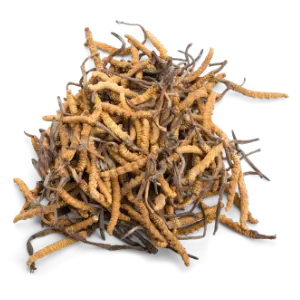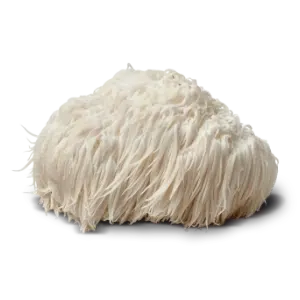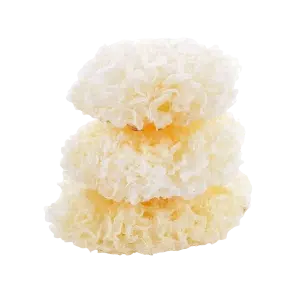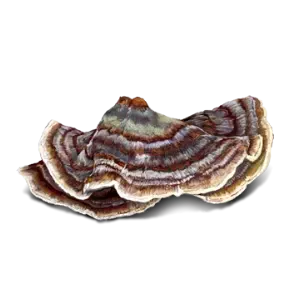


Images of Chaga Mushrooms
History of Chaga [Fungi] Mushroom
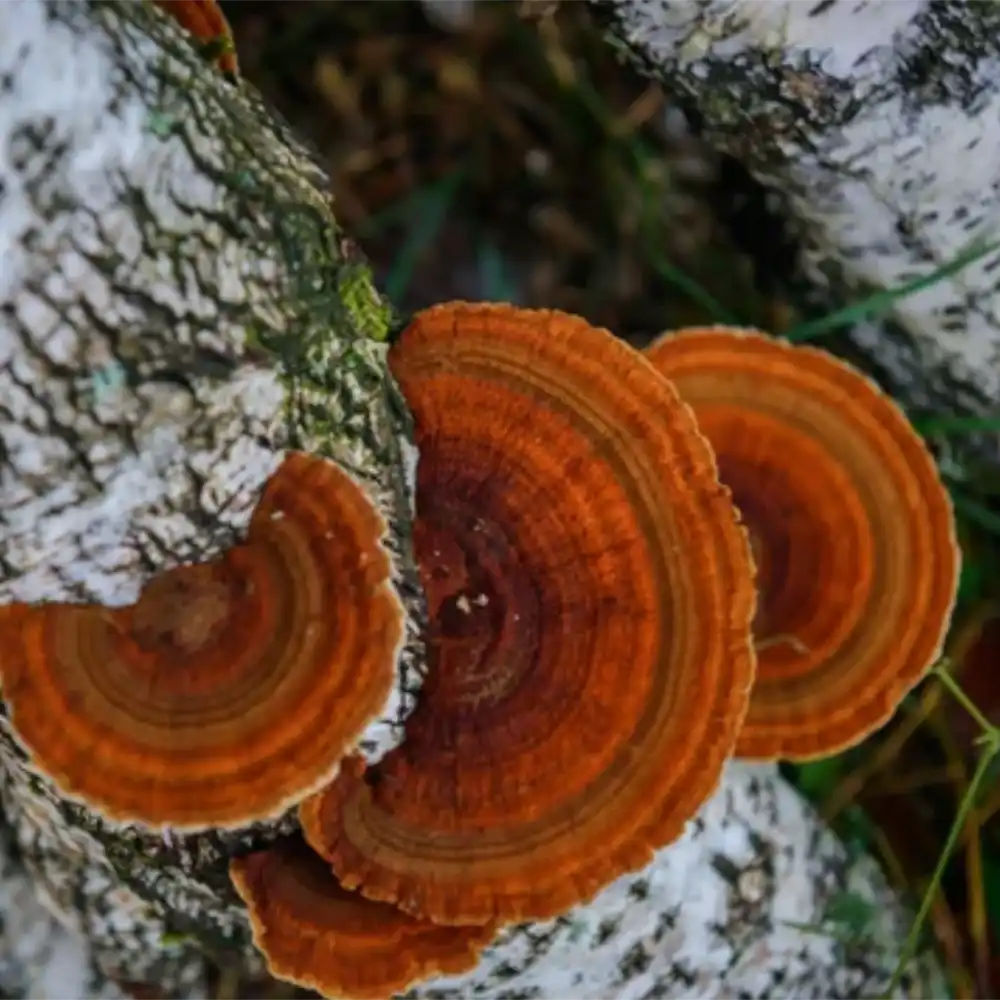
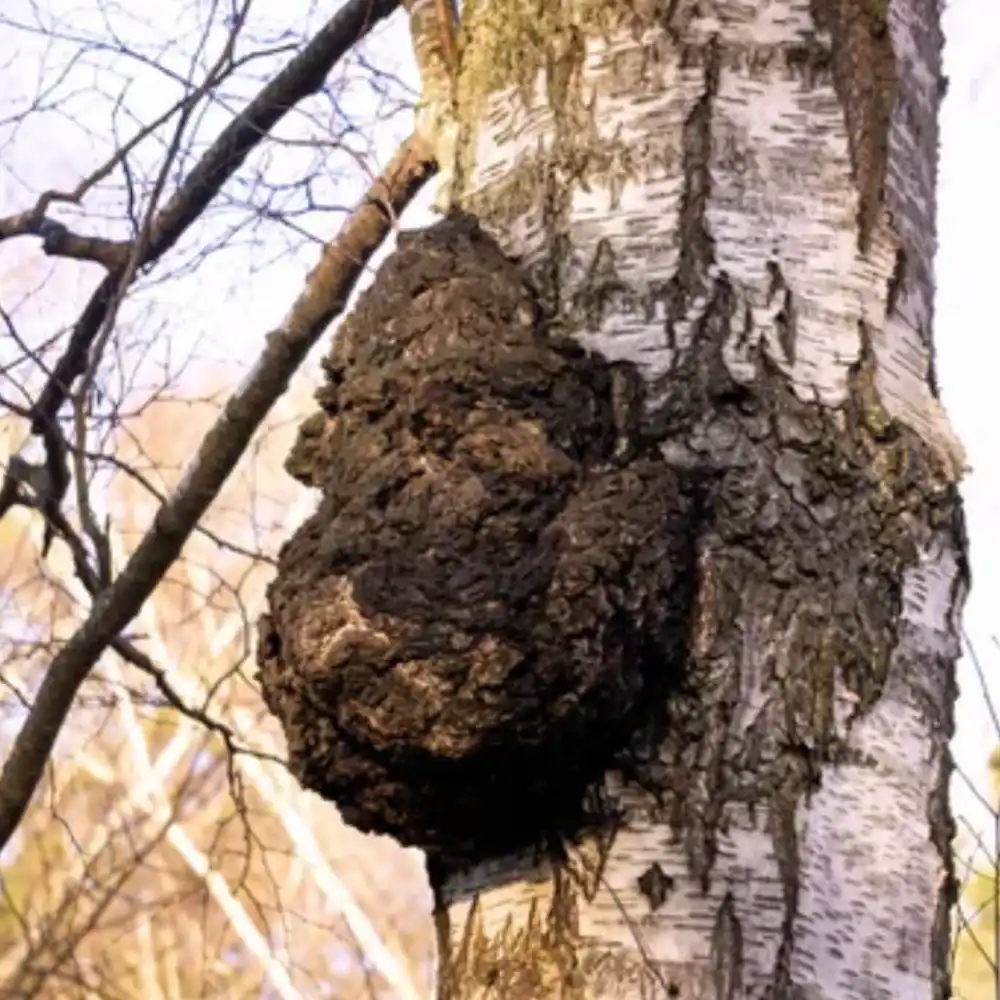
In ancient times, Chaga was highly valued in various cultures, particularly among the indigenous peoples of Siberia, as well as in Russian, Eastern European, and Scandinavian folk medicine. The mushroom was often harvested in a ritualistic manner, usually by shamans or experienced herbalists. They would seek out older birch trees in the coldest climates, as it was believed that these conditions produced the most potent Chaga.
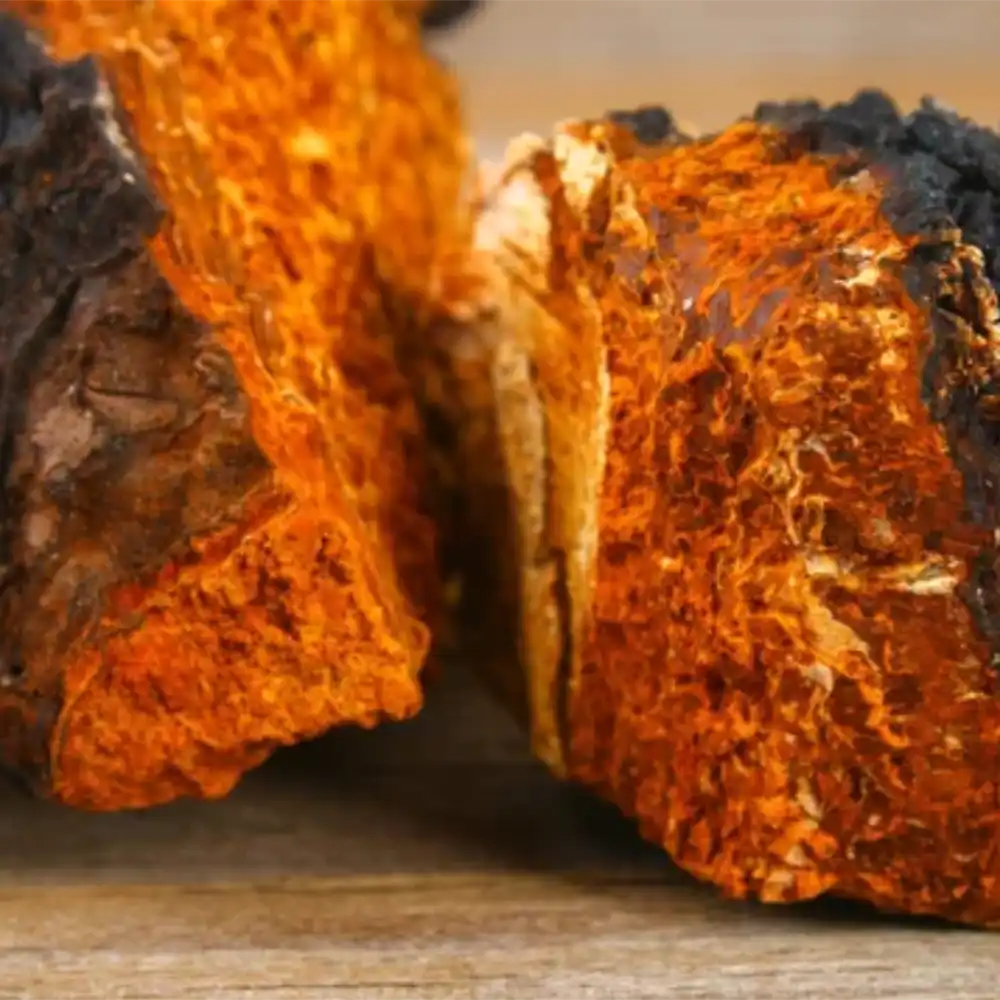
The harvesting process itself was considered an art. The gatherers would use specialized tools to carefully remove the Chaga without damaging the host birch tree, ensuring its continued growth. Once harvested, the Chaga was dried and ground into a powder, which was then used to brew teas or create tinctures.
The mushroom was commonly believed to possess powerful healing properties, both spiritual and physical. It was used in rituals and ceremonies, often in conjunction with other herbs and practices, to promote overall well-being and connect with higher spiritual realms.
In these traditional settings, Chaga was considered a go-to remedy for a variety of ailments. It was believed to boost immunity, improve digestion, and even combat cancer. Its reputation as a "gift from the gods" made it a staple in ancient herbal medicine cabinets.
How to Correctly Harvest Cinder Conk/Chaga [Video]
Chaga in Medicine
Traditional Uses
Chaga mushroom (Inonotus obliquus) has been a cornerstone in traditional medicine, particularly in Siberian, Russian, and Eastern European cultures. It was often harvested by shamans and herbalists who believed in its spiritual and physical healing properties. The mushroom was commonly used to boost immunity, improve digestion, and even combat cancer.
Modern Research
In recent years, scientific studies have begun to explore the medicinal properties of Chaga. Research has primarily focused on its antioxidant, anti-inflammatory, and anti-tumor effects. These studies aim to validate the traditional uses of Chaga and explore its potential in modern medicine.
Pharmacological Potential
Chaga has been studied for its complex biochemical makeup, which includes compounds like beta-glucans, triterpenes, and antioxidants. These compounds are believed to contribute to its medicinal properties, including immune modulation and anti-cancer effects.
List of Studies on Chaga and Their Findings
Medicinal mushrooms as a source of antitumor and immunomodulating polysaccharides
- Publication Year: 2002
- Synopsis: This study explores the antitumor and immunomodulating properties of medicinal mushrooms, including Chaga.
- Result: Positive effects on immune modulation and anti-tumor activity were observed.
- Link to Study
The Pharmacological Potential of Mushrooms
- Publication Year: 2005
- Synopsis: This review describes pharmacologically active compounds in mushrooms, including Chaga, and their potential medicinal uses.
- Result: The study confirmed the antimicrobial, antiviral, antitumor, and other beneficial properties of mushrooms.
- Link to Study (Open Access)
Current findings, future trends, and unsolved problems in studies of medicinal mushrooms
- Publication Year: 2010
- Synopsis: The study discusses current findings and future trends in medicinal mushroom research, including Chaga.
- Result: The study calls for more rigorous research to solve unsolved problems in the field.
- Link to Study
These are just some of the studies done on mushrooms, and Chaga in particular.
6 Amazing Facts about Chaga
- Chaga IS NOT a Mushroom: Chaga is often referred to as a mushroom, but technically, it's not a true mushroom. What is commonly harvested and used is actually the mycelial mass or sclerotium of the fungus Inonotus obliquus. In contrast, a true mushroom is the fruiting body of a fungus, which produces spores for reproduction. So, while it's commonly called a "Chaga mushroom" for simplicity, it's more accurate to describe it as a fungal growth or sclerotium.
Melanin Content: Chaga is one of the richest sources of melanin, the pigment responsible for skin and eye color. This high melanin content contributes to its antioxidant properties.
Symbiotic Relationship: Chaga has a unique symbiotic relationship with birch trees. While it draws nutrients from the tree, it also concentrates these nutrients, along with its own compounds, into a form that humans can consume.
Slow Growth: Chaga can take up to 10 years to reach full maturity and is often found on trees that are at least 40 years old. This slow growth contributes to its dense nutrient profile.
Survival in Extreme Conditions: Chaga can survive and thrive in harsh climates, enduring temperatures as low as -40°F. This resilience is thought to contribute to its potent health benefits.
Cultural Significance: In Siberian folklore, Chaga is considered the "King of Herbs." It was traditionally used not just for physical ailments but also for spiritual cleansing.
Recipes or Usage in Cuisine
Chaga Tea
Ingredients:
- 1 Chaga chunk or 2 tbsp Chaga powder
- 4 cups of water
Instructions:
- Boil water in a pot.
- Add the Chaga chunk or powder.
- Simmer for at least 30 minutes.
- Strain and enjoy hot or cold.
Chaga Smoothie
Ingredients:
- 1 cup Chaga tea (cooled)
- 1 banana
- 1/2 cup blueberries
- 1 tbsp chia seeds
- 1 tbsp honey
Instructions:
- Blend all ingredients until smooth.
- Serve immediately.
Chaga Coffee
Ingredients:
- 1 cup brewed coffee
- 1/2 cup Chaga tea
- 1 tbsp coconut oil or MCT oil
- Optional: sweetener of choice
Instructions:
- Brew your coffee as usual.
- Mix with Chaga tea.
- Add coconut oil and blend until frothy.
- Sweeten if desired.
Chaga Soup Broth
Ingredients:
- 4 cups vegetable or bone broth
- 1 Chaga chunk or 2 tbsp Chaga powder
- Salt and herbs to taste
Instructions:
- Bring broth to a boil.
- Add Chaga chunk or powder.
- Simmer for 30 minutes.
- Strain and use as a base for soups.
Chaga Energy Bites
Ingredients:
- 1 cup oats
- 1/2 cup almond butter
- 1/4 cup Chaga tea (cooled)
- 2 tbsp honey
- 1/4 cup chocolate chips
Instructions:
- Mix all ingredients in a bowl.
- Roll into bite-sized balls.
- Refrigerate for at least 1 hour.
These recipes offer a tasty and nutritious way to enjoy the benefits of Chaga.
FAQs About Chaga Fungi
- Does Chaga Contain Caffeine?
No, Chaga is caffeine-free, making it a great alternative to coffee or tea for those looking to avoid stimulants. Can Chaga Interact with Medications?
Yes, Chaga may interact with blood-thinning medications and insulin. Always consult a healthcare provider before combining it with any medication.Is Chaga Sustainable?
Sustainability can be a concern, as Chaga takes years to grow. Harvesting should be done responsibly to allow for regrowth and avoid damaging the host tree.- Can Pets Consume Chaga?
Some pet owners give Chaga to their animals for its immune-boosting benefits, but always consult a veterinarian for proper dosage and safety. Is Chaga Safe During Pregnancy?
The safety of Chaga during pregnancy is not well-studied. It's advisable to consult a healthcare provider before using Chaga while pregnant.Can Chaga Help with Skin Conditions?
While not a cure, Chaga's antioxidant properties have been explored for potential benefits in treating skin conditions like psoriasis and eczema.Does Chaga Expire?
Dried Chaga can last up to two years when stored in a cool, dark place. However, it's best to consume it within a year for maximum potency.